Fish Families: Learn the Shapes of the Reef
Forget memorizing hundreds of fish names. Learn these core body shapes and behaviors to instantly recognize what you see underwater, then narrow down to the exact species from there.
Angelfish
Pomacanthidae
The Look
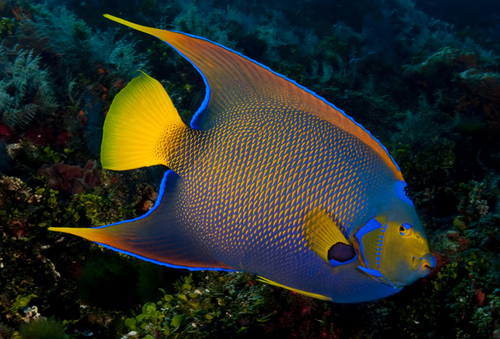
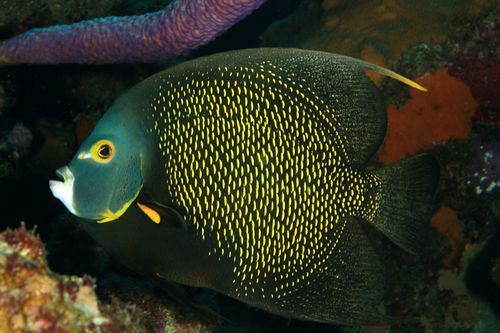
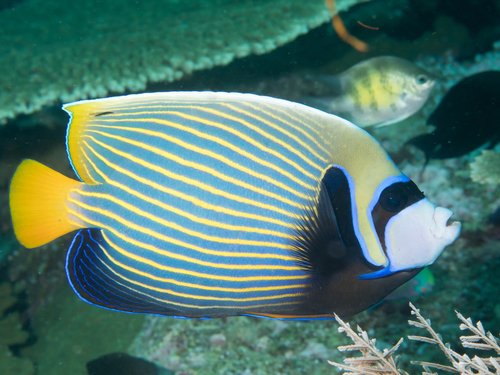
A thin, dinner-plate-shaped body built to slip into narrow gaps in the reef.
The Tell (Dead Giveaway)
Long, trailing fins that flare out like wings, plus a sharp little spine on the lower cheek — the giveaway that separates it from a Butterflyfish.
Reef Behavior
Cruises slowly and deliberately along the reef, often alone or in a bonded pair.
Fun Fact
Juveniles often wear a completely different color pattern than adults — some looked so different that early naturalists thought they were separate species.
Example Species
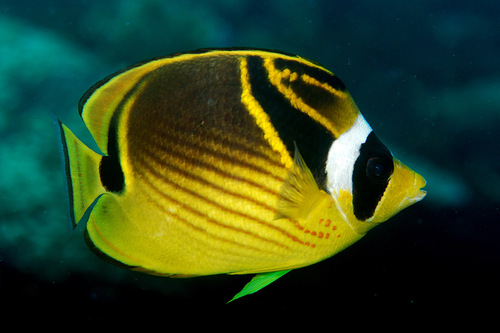
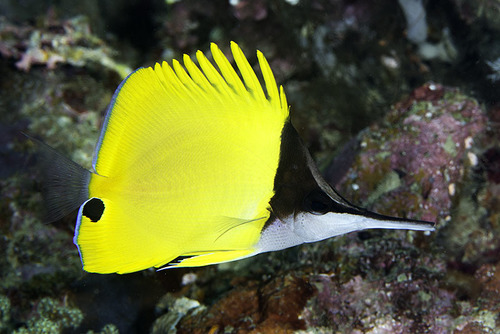
Butterflyfish
Chaetodontidae
The Look
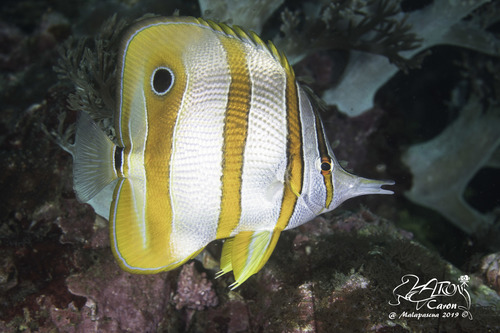
A thin, coin-shaped disc built to slip into tight coral crevices.
The Tell (Dead Giveaway)
A long, narrow snout for picking food out of tight spots — and no cheek spine, which is what separates it from an Angelfish.
Reef Behavior
Usually swims in a fixed pair, picking continuously at coral rather than schooling.
Fun Fact
Many Butterflyfish carry a fake eyespot near the tail — a trick to confuse predators into striking the wrong end.
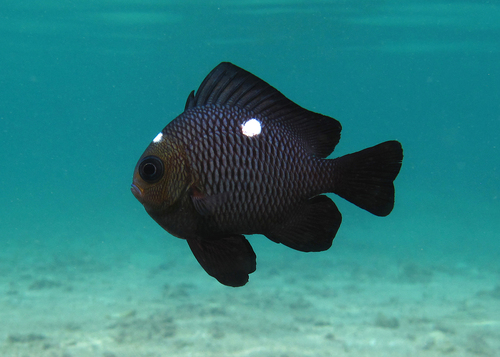
Damselfish
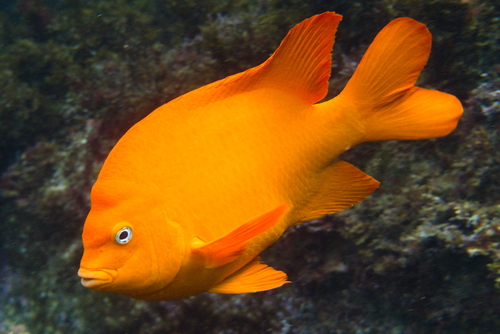
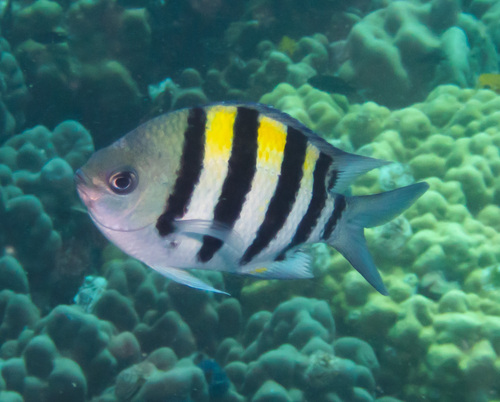
Pomacentridae
The Look
Small and oval, with a body slightly flattened from side to side.
The Tell (Dead Giveaway)
Holds one exact spot over a patch of coral or algae and refuses to leave it.
Reef Behavior
Fiercely defends its home patch — will dart out and nip at fish (and divers) many times its own size.
Fun Fact
Young damselfish often carry a bright blue spot near the tail that fades away as they grow up.
Example Species
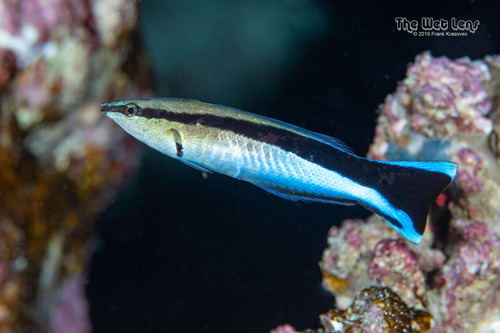
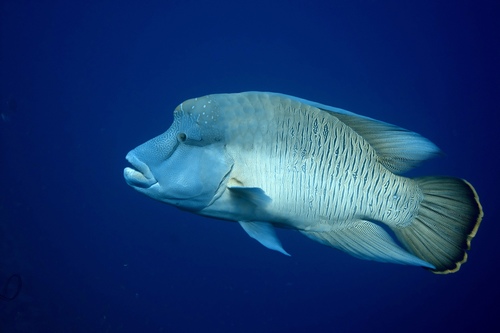
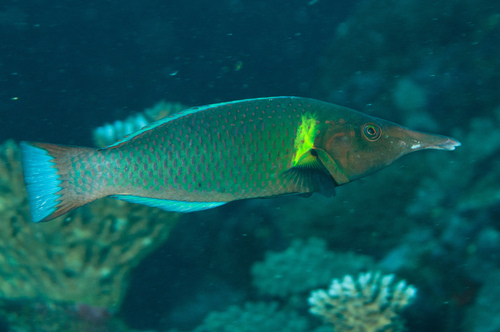
Wrasses
Labridae
The Look
A long, slightly flattened body that's almost always in motion.
The Tell (Dead Giveaway)
Swims by rowing with its side fins while its body stays fairly straight — a different motion from most reef fish.
Reef Behavior
Constantly picks small prey off the reef; some species even clean parasites off other fish's skin.
Fun Fact
Many wrasses are born female and can switch to male later in life, changing color completely in the process.
Example Species
Groupers & Sea Basses
Serranidae
The Look
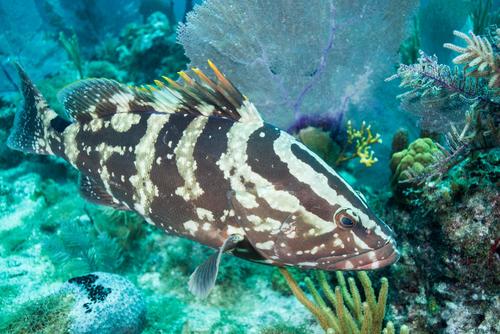
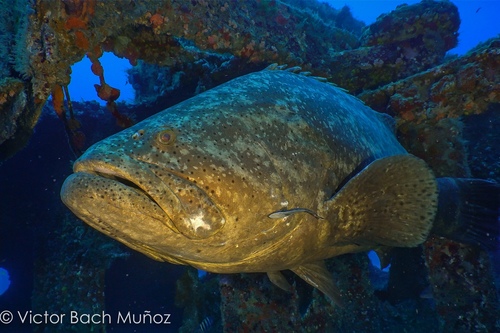
Heavy and thick-bodied, with a big head and an oversized mouth.
The Tell (Dead Giveaway)
Sits completely motionless near a ledge or cave entrance, often for a very long stretch.
Reef Behavior
An ambush hunter — it snaps its huge mouth open in a flash, creating suction that pulls prey straight in.
Fun Fact
Groupers can shift their skin from light to dark in seconds — thought to help with both camouflage and communication.
Example Species

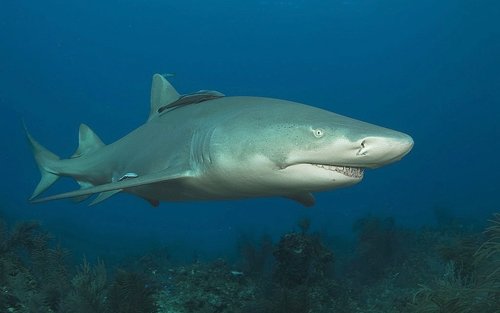
Requiem Sharks
Carcharhinidae
The Look
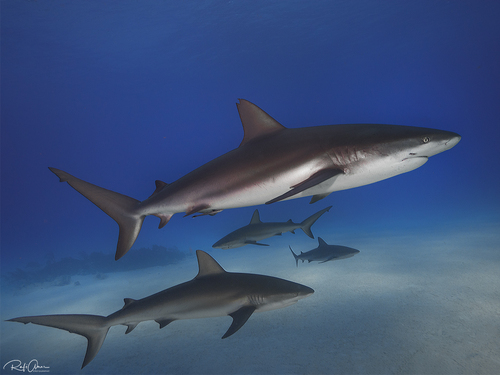
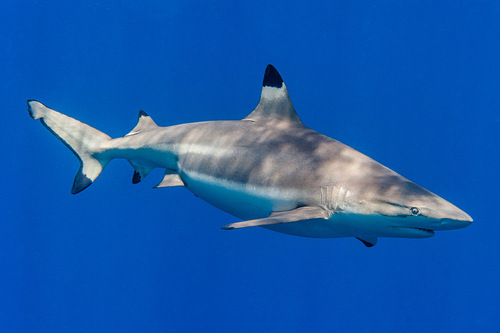
A classic torpedo-shaped body built for constant, steady cruising.
The Tell (Dead Giveaway)
The upper lobe of the tail fin is noticeably longer than the lower lobe.
Reef Behavior
Almost never stops swimming — forward motion is how it keeps oxygenated water flowing over its gills.
Fun Fact
A shark's entire skeleton is made of cartilage, not bone — the same flexible material that makes up your ears.
Example Species
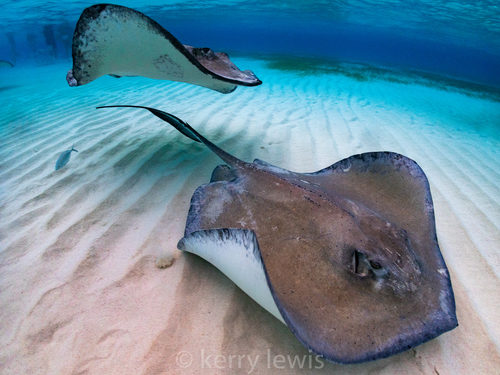
Stingrays
Dasyatidae
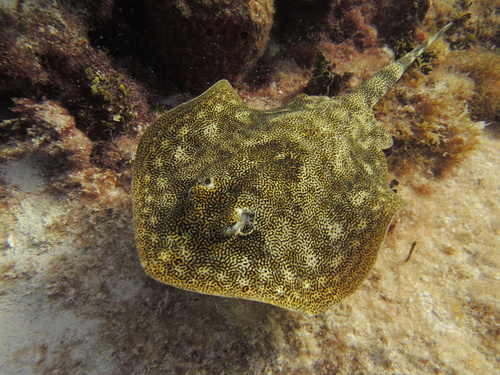
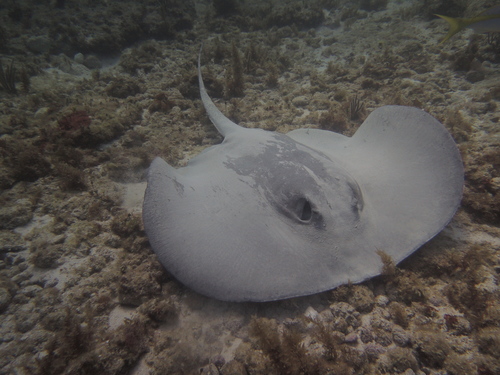
The Look
A flat, disc-shaped body with wing-like fins and a long, whip-like tail.
The Tell (Dead Giveaway)
Often lies partly buried in sand — look for just the eyes and breathing holes peeking out.
Reef Behavior
Uses electrical sensors near its mouth to find crabs and shellfish buried in the sand.
⚠️ Hazard
Venomous, serrated spine near the base of the tail.
Fun Fact
Shuffle your feet through sand instead of stepping — it gives a buried ray room to swim off instead of feeling cornered.
Example Species
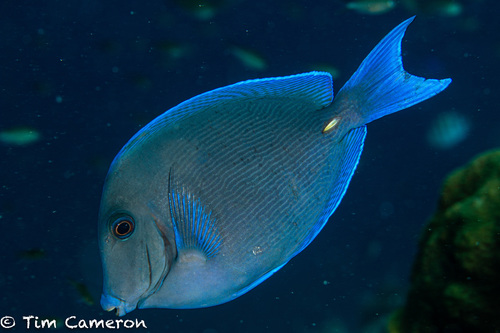
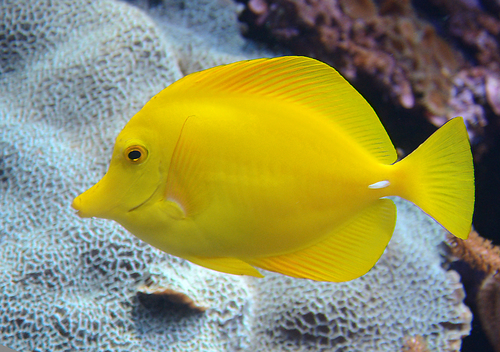
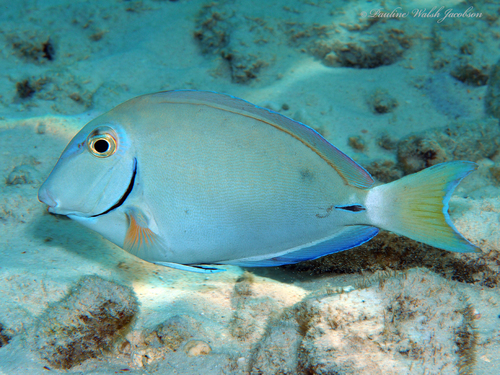
Surgeonfishes
Acanthuridae
The Look
An oval, disc-shaped body — similar to a Butterflyfish but usually bigger and less patterned.
The Tell (Dead Giveaway)
A pale or dark mark right at the base of the tail — that's hiding a razor-sharp spine.
Reef Behavior
Grazes on algae in loose schools, working over open reef flats like a team of underwater lawnmowers.
⚠️ Hazard
Sharp defensive spine at the base of the tail — avoid handling.
Fun Fact
That tail spine is nicknamed the "scalpel" — it flicks out sideways only when the fish needs to defend itself.
Example Species
Triggerfishes
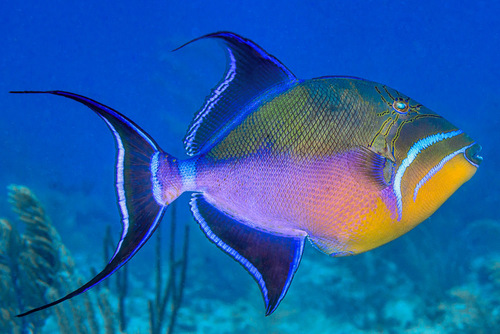
Balistidae
The Look
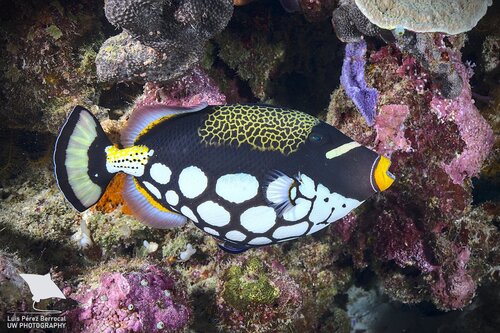
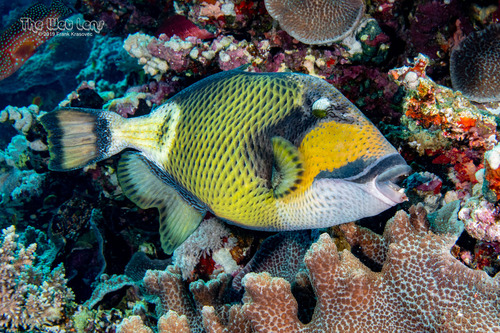
A deep, oval body with large eyes set high and far back on the head.
The Tell (Dead Giveaway)
Its first dorsal spine can lock upright, wedging the fish into a crevice so nothing can pull it back out.
Reef Behavior
Usually calm, but becomes genuinely territorial and can charge at divers while guarding an egg nest on the sand.
⚠️ Hazard
Can charge and bite when guarding a nest — approach from above, never head-on.
Fun Fact
That locked spine is released by pressing a second, smaller spine behind it — like a mechanical trigger, which is where the family gets its name.
Example Species
Moray Eels
Muraenidae
The Look
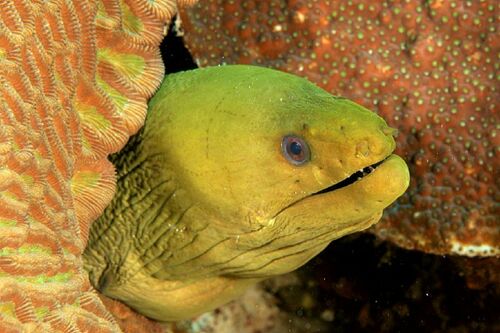
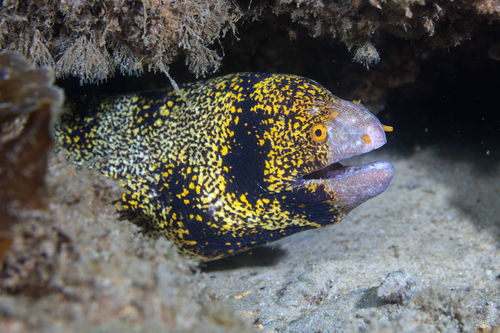
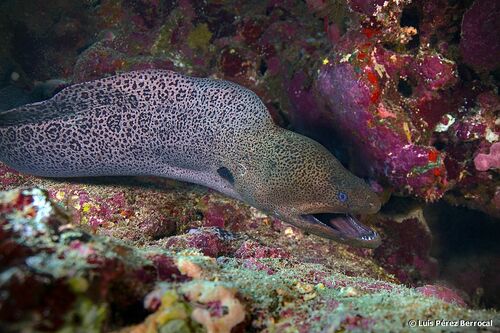
A long, ribbon-like body with no scales and no side fins.
The Tell (Dead Giveaway)
Usually just the head is visible, poking out of a dark crevice.
Reef Behavior
Constantly opens and closes its mouth — that's just pumping water over its gills to breathe, not a threat display.
Fun Fact
Morays have a hidden second set of jaws deep in the throat that reach forward to help drag prey down.
Example Species
Sea Turtles
Cheloniidae
The Look
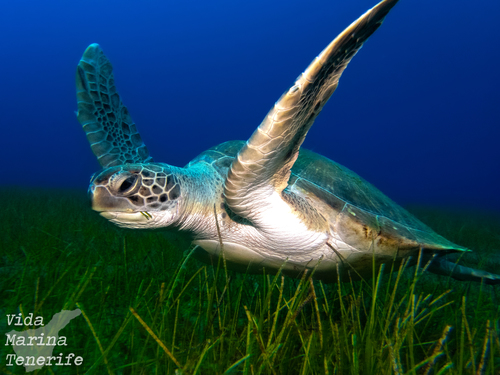
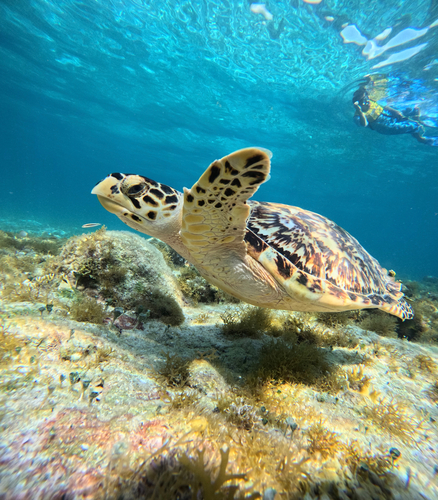
A hydrodynamic, non-retractable shell paired with paddle-like flippers.
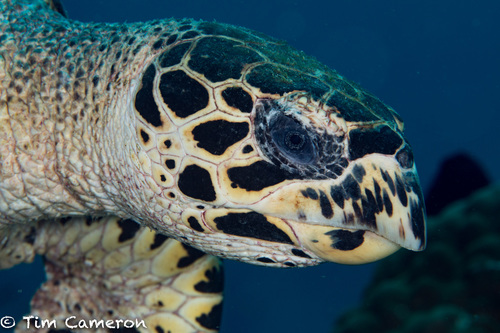
The Tell (Dead Giveaway)
Shell pattern and beak shape are the fastest way to tell species apart — a narrow, hooked beak usually means Hawksbill; a blunt, rounded one usually means Green.
Reef Behavior
Surfaces for air every few minutes to a couple of hours depending on activity — never block its path to the surface.
Fun Fact
A sea turtle's shell is fused to its ribcage — unlike a land turtle, it can never pull its head or flippers all the way inside.
Example Species
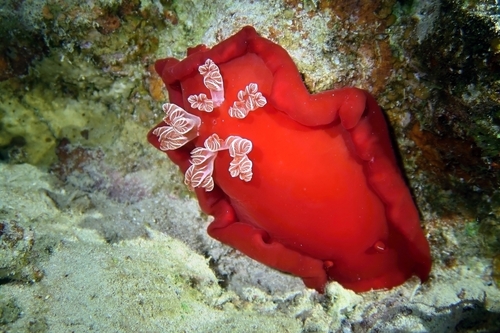
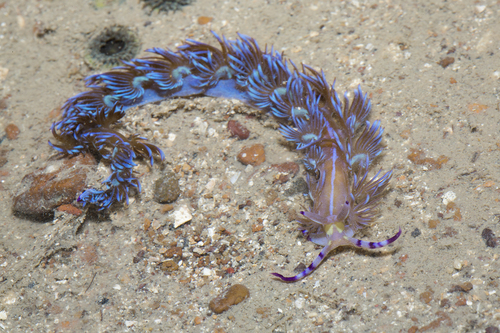
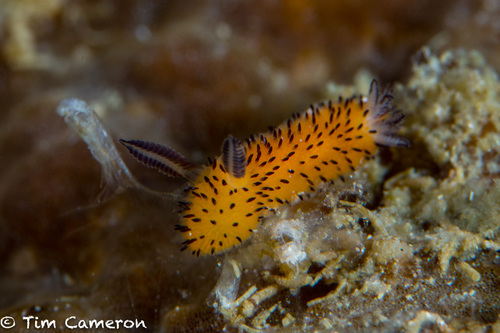
Nudibranchs
Mollusca
The Look
A soft-bodied sea slug with no shell at any stage of its life.
The Tell (Dead Giveaway)
A feathery, exposed gill plume on its back, paired with extremely bold, specific coloring.
Reef Behavior
Moves slowly across the reef, often advertising its toxicity with bright colors instead of hiding.
Fun Fact
Some nudibranchs eat stinging jellyfish relatives and then reuse the stolen stinging cells for their own defense.
Example Species
Think you can spot the difference?
Put these family shapes and lookalike tells to the test in the Lookalike Challenge.
Practice Spotting Lookalikes