Regional Hotspots
Why these destinations are world-famous among divers — and what makes each one worth the trip.
Set your target dive location in the global destination bar to customize your experience specific to that area where available.
Entry Mode
Diver Certification
Gas Mix
Caribbean & Bahamas
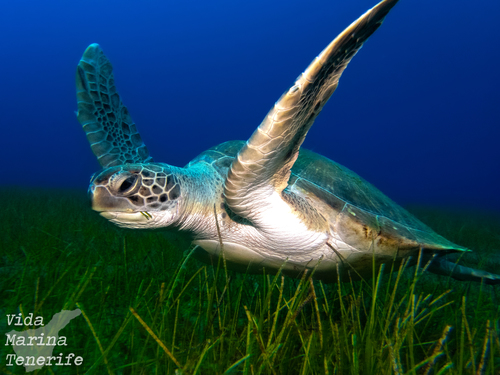
Cozumel, Mexico
World-class drift diving
Cozumel's reefs sit along a marine park protecting one of the healthiest drift-diving coastlines in the Caribbean — strong, current-driven dives that carry you past dramatic coral walls with minimal effort.
- Palancar and Colombia reef systems
- Splendid toadfish — found nowhere else on Earth
- Consistently 30m+ visibility most of the year
Best for: Drift diving, wall diving, macro life
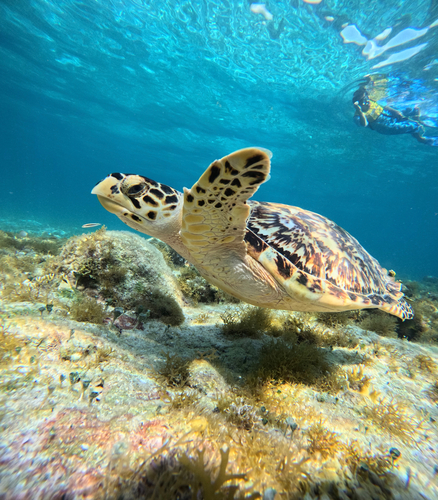
Roatán, Honduras
Mesoamerican Barrier Reef diving
Roatán sits on the second-largest barrier reef system on Earth, with steep drop-offs starting just meters from shore and some of the most affordable, accessible reef diving in the Caribbean.
- West End wall diving minutes from the beach
- Whale shark season (Feb–Apr)
- Healthy shallow coral gardens for all levels
Best for: Wall diving, shore diving, whale sharks
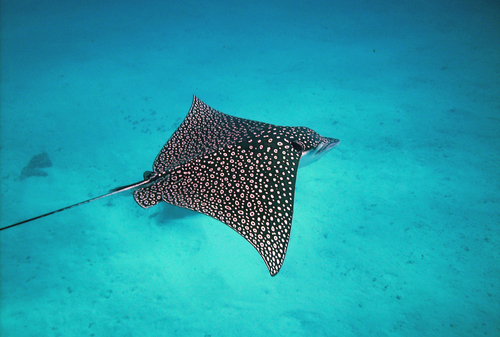
Bonaire
The shore-diving capital of the world
Bonaire's entire coastline is a protected national marine park, with over 60 named shore-accessible dive sites marked by yellow rocks — a rare model of self-guided, unlimited reef access.
- Yellow-rock marked shore dive sites island-wide
- Klein Bonaire's pristine fringing reef
- Exceptional coral health from decades of protection
Best for: Shore diving, self-guided dives, coral health
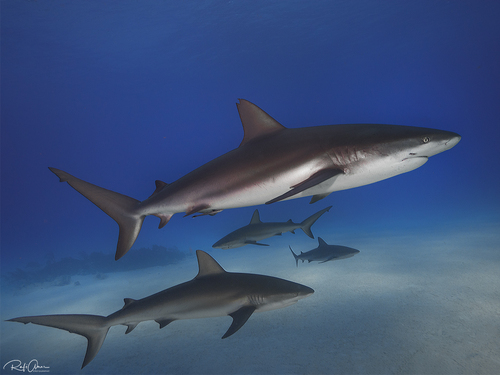
Cayman Islands
Walls, wrecks, and stingrays
Grand Cayman's Bloody Bay Wall drops from 6m to over 600m in a nearly vertical face, while Stingray City offers a rare, close encounter with wild southern stingrays in shallow sandbars.
- Bloody Bay Wall, Little Cayman
- Stingray City sandbar encounters
- USS Kittiwake wreck dive
Best for: Wall diving, wrecks, stingray encounters
Indo-Pacific & Southeast Asia
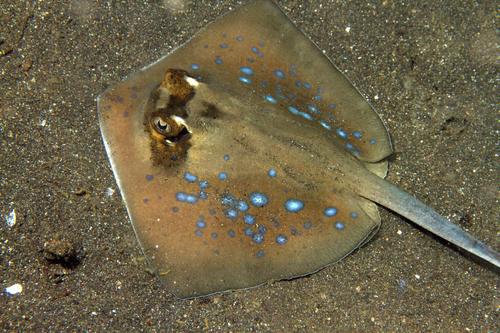
Philippines (Tubbataha & Apo Reef)
Coral Triangle biodiversity
Tubbataha Reefs Natural Park is a UNESCO World Heritage Site and one of the richest reef ecosystems on the planet, alongside Apo Reef's vast, remote coral plateau off Mindoro.
- Tubbataha's sheer walls and pelagic action
- Apo Reef's massive protected coral plateau
- Reef shark and manta ray sightings
Best for: Biodiversity, liveaboards, pelagic life
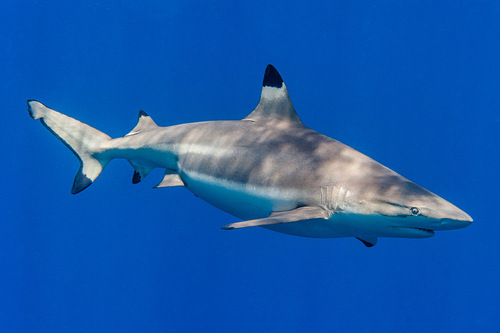
Raja Ampat, Indonesia
The heart of the Coral Triangle
Raja Ampat hosts the highest recorded marine biodiversity on Earth — over 1,700 reef fish species and 75% of the world's known coral species in one remote Indonesian archipelago.
- Highest coral and reef fish diversity on the planet
- Manta ray cleaning stations
- Untouched, remote reef systems
Best for: Biodiversity, macro life, liveaboards
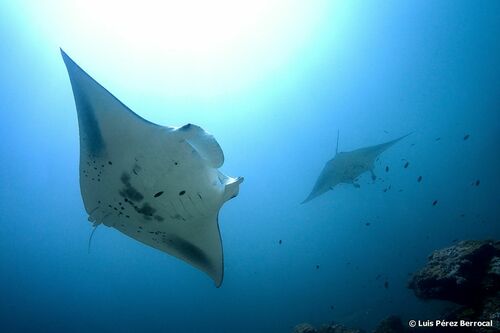
Komodo, Indonesia
Strong currents, big pelagics
Komodo National Park's swirling currents between islands feed some of Indonesia's most productive reefs, drawing large pelagics and famously strong drift dives alongside the park's namesake dragons on land.
- Manta Point's resident reef mantas
- Strong-current drift diving
- Cool, nutrient-rich southern reefs
Best for: Drift diving, manta rays, pelagics
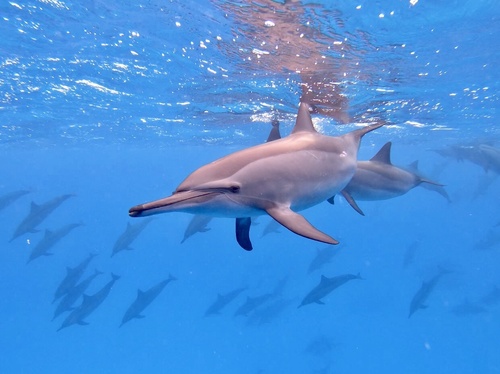
Bali, Indonesia
Muck diving and mola mola
Bali packs an unusual range of diving into one island — the USAT Liberty wreck at Tulamben, seasonal oceanic sunfish at Nusa Penida, and rich muck diving for rare macro subjects.
- USAT Liberty wreck, Tulamben
- Mola mola (sunfish) season (Jul–Oct)
- Muck diving for rare nudibranchs and frogfish
Best for: Wrecks, macro life, mola mola
Red Sea & Middle East
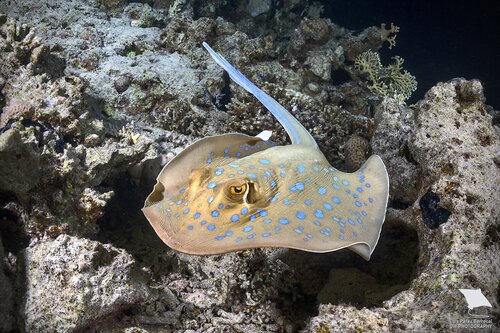
Ras Mohammed, Egypt
Iconic coral walls
Ras Mohammed National Park sits at the tip of the Sinai Peninsula, where two seas meet to create some of the Red Sea's most dramatic coral walls and richest fish life.
- Shark and Yolanda Reef's sheer walls
- Dense schooling fish and pelagics
- Some of the Red Sea's best-protected coral
Best for: Wall diving, coral gardens, pelagics

Hurghada, Egypt
Accessible reefs and wrecks
Hurghada is the Red Sea's most accessible dive hub, with warm, calm waters, offshore reef systems, and easy day-boat access to wrecks like the Salem Express and Abu Nuhas.
- Giftun Islands reef system
- Salem Express and Abu Nuhas wrecks
- Warm water diving year-round
Best for: Wrecks, warm water, beginner-friendly reefs
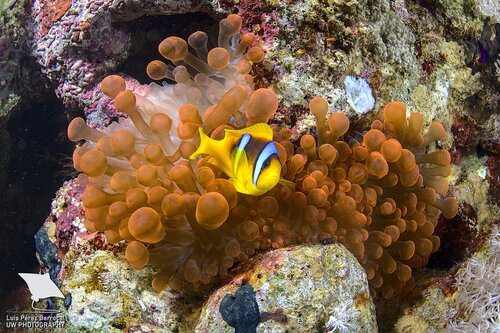
Aqaba, Jordan
The Red Sea's quiet corner
Jordan's short Red Sea coastline packs in healthy fringing reefs and the deliberately sunk Cedar Pride wreck, with far fewer divers than Egypt's more crowded sites.
- Cedar Pride wreck dive
- Japanese Garden's soft coral gardens
- Uncrowded, easy shore access
Best for: Wrecks, shore diving, uncrowded reefs
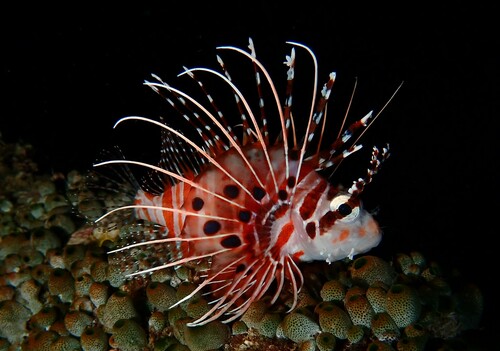
Oman (Daymaniyat Islands)
The Arabian Sea's hidden reefs
The Daymaniyat Islands Nature Reserve off Muscat is a protected archipelago where nutrient-rich Arabian Sea currents support turtle nesting beaches and surprisingly dense reef fish life.
- Protected turtle nesting islands
- Nutrient-rich Arabian Sea currents
- Whale shark and reef shark sightings
Best for: Turtles, uncrowded reefs, pelagics
Pacific & Americas
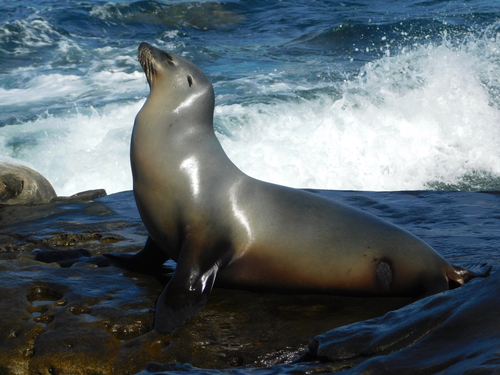
Cabo San Lucas, Mexico
Where the desert meets the sea
Cabo sits where the Sea of Cortez meets the Pacific, famous for dramatic underwater sand falls and some of the richest seasonal pelagic action on the Baja Peninsula.
- Land's End sand falls
- Seasonal mobula and hammerhead sightings
- Sea lion colonies at Los Islotes nearby
Best for: Pelagics, sea lions, dramatic topography
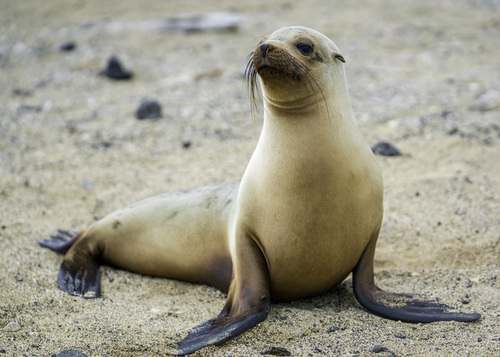
Galápagos, Ecuador
Hammerhead schools and marine iguanas
The Galápagos' cold, nutrient-rich currents support one of the most extreme concentrations of large marine life anywhere — massive schooling hammerheads, whale sharks, and the world's only marine iguana.
- Darwin and Wolf Island hammerhead schools
- Whale shark season (Jun–Nov)
- The world's only marine iguana
Best for: Pelagics, hammerheads, advanced drift diving
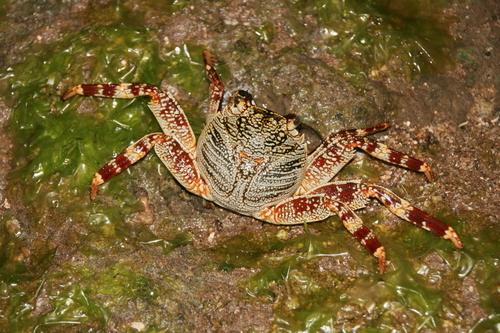
Kona, Hawaii
Manta rays and volcanic terrain
Kona's young volcanic reefs and deep offshore drop-offs create ideal conditions for its famous manta ray night dive, plus a high rate of species found only in this isolated mid-Pacific archipelago.
- Kona's famous manta ray night dive
- Lava tubes and volcanic arches
- High endemism — species found nowhere else
Best for: Manta rays, night diving, volcanic terrain
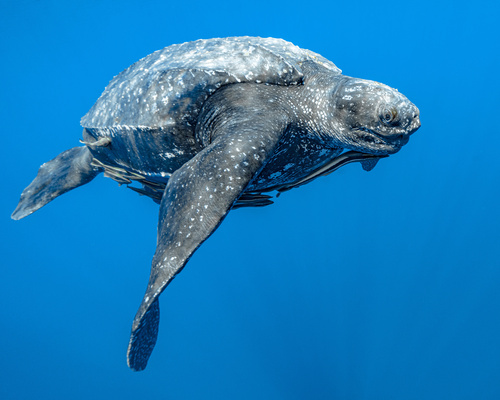
Monterey Bay, California
Cold-water kelp forests
Monterey Bay's protected marine sanctuary hosts towering giant kelp forests, playful sea otters, and some of the richest cold-water temperate diving in North America.
- Towering giant kelp forests
- Sea otter and harbor seal encounters
- Rich cold-water invertebrate life
Best for: Kelp forests, cold-water diving, marine mammals
Indian Ocean & Africa
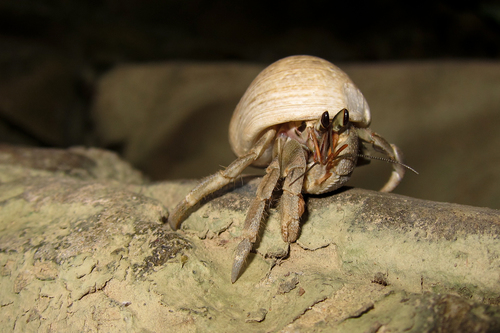
Maldives
Manta cleaning stations and channel drifts
The Maldives' coral atolls funnel nutrient-rich currents through narrow channels, creating some of the world's most reliable manta ray and whale shark encounters alongside pristine reef diving.
- Hanifaru Bay manta feeding aggregations
- Channel drift dives between atolls
- Whale shark encounters year-round
Best for: Manta rays, whale sharks, channel diving
Seychelles
Granite reefs and whale sharks
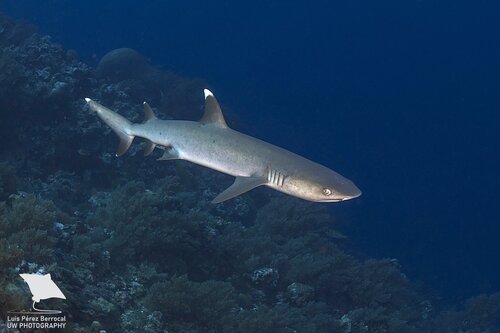
The Seychelles' unique granite boulder reefs — unlike anywhere else in the Indian Ocean — support a rich mix of coral gardens, whale shark aggregations, and healthy turtle populations.
- Unique granite boulder reef formations
- Whale shark season (Aug–Oct)
- Healthy hawksbill and green turtle populations
Best for: Whale sharks, turtles, unique geology
Zanzibar, Tanzania
Spice Island reef diving
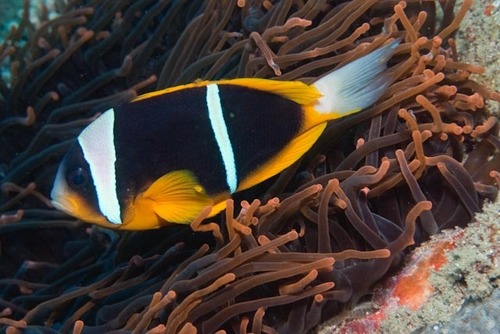
Zanzibar's warm, current-swept channel reefs offer some of East Africa's most accessible tropical diving, with frequent dolphin encounters and vibrant, healthy coral gardens.
- Mnemba Atoll's protected coral gardens
- Frequent dolphin encounters
- Warm, current-driven channel diving
Best for: Coral gardens, dolphins, warm water
Sodwana Bay, South Africa
Africa's southernmost coral reefs
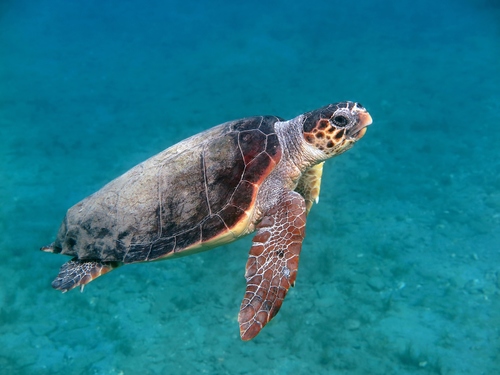
Sodwana Bay hosts the southernmost tropical coral reefs on the African continent, a rare overlap zone where tropical reef fish mix with temperate species and migrating whales.
- Southernmost coral reefs in Africa
- Raggedtooth shark aggregations
- Whale migration season (Jun–Nov)
Best for: Sharks, whale migrations, reef diversity
Mediterranean & Atlantic
Azores, Portugal
Mid-Atlantic pelagic diving
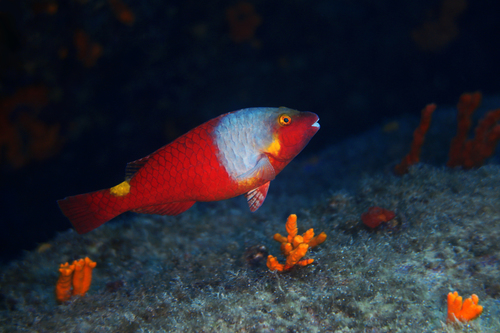
Sitting atop a mid-Atlantic volcanic ridge, the Azores draw open-ocean pelagics rarely seen elsewhere — blue sharks, mobula rays, and migrating whales in deep, clear Atlantic water.
- Blue shark and mako shark encounters
- Seamount diving with mobula rays
- Deep-water Atlantic clarity
Best for: Pelagic sharks, seamounts, deep Atlantic diving
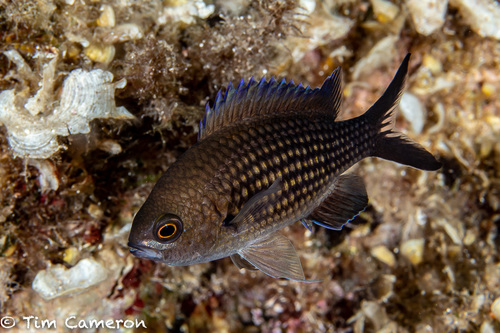
Malta & Gozo
Wrecks and swim-through caves
Malta and Gozo's limestone coastline is riddled with swim-through caves and arches, plus one of the Mediterranean's densest concentrations of deliberately sunk wreck dives.
- Blue Hole and inland sea swim-throughs, Gozo
- Dense concentration of wreck dives
- Excellent year-round visibility
Best for: Wrecks, caves and swim-throughs, visibility
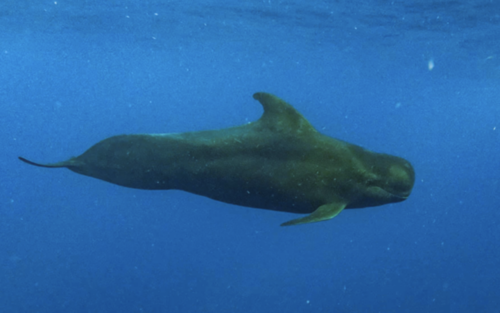
Canary Islands, Spain
Volcanic Atlantic reefs
The Canary Islands' volcanic origins produced dramatic underwater lava formations, arches, and caves, with warm Atlantic currents supporting angel sharks and pilot whale pods offshore.
- Volcanic arches and lava tunnels
- Angel shark sightings
- Offshore pilot whale and dolphin pods
Best for: Volcanic terrain, angel sharks, cetaceans
Great Barrier Reef, Australia
The largest living structure on Earth
Stretching over 2,300km, the Great Barrier Reef is the largest coral reef system on the planet, home to an extraordinary density and diversity of marine life across thousands of individual reefs and coral cays.
- Cod Hole's resident potato cod
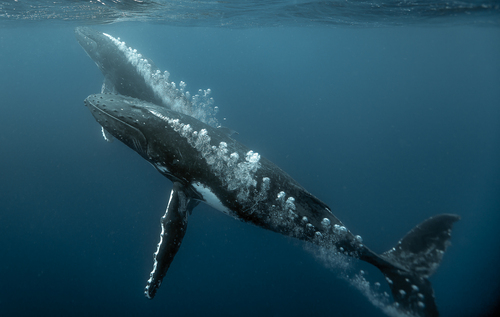
- Minke whale season (Jun–Jul)
- Ribbon Reefs' pristine outer-reef coral
Best for: Biodiversity, coral gardens, liveaboards